The way food brands communicate is changing.
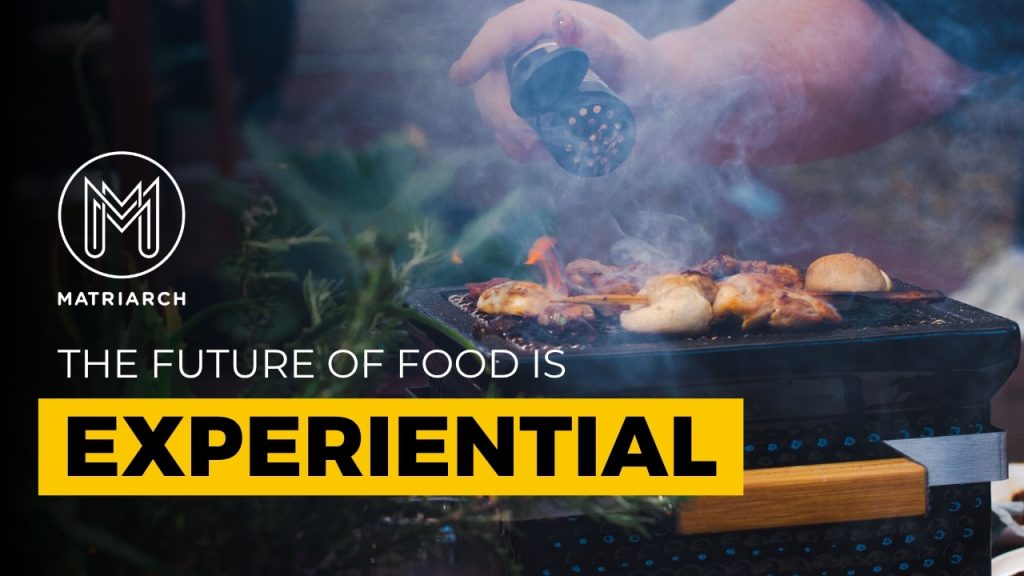
Traditional launches, presentations and standard sampling formats are making way for something far more immersive. Today, food industry brands are increasingly using experiential marketing to bring products, ingredients, trends and brand storytelling to life through real-world experiences.
From chef-led showcases and curated tastings to interactive installations and immersive dining environments, brands are moving beyond simply talking about products – they’re creating opportunities for audiences to experience them firsthand.
And consumers are responding to it.
Bringing Food Trends to Life Through Experience
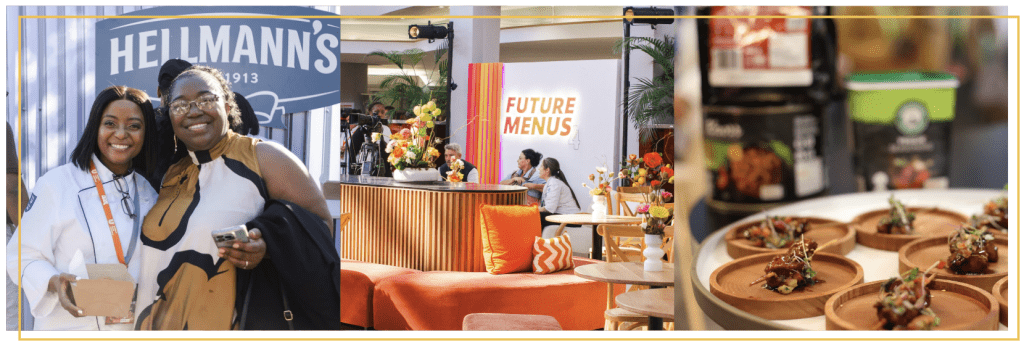
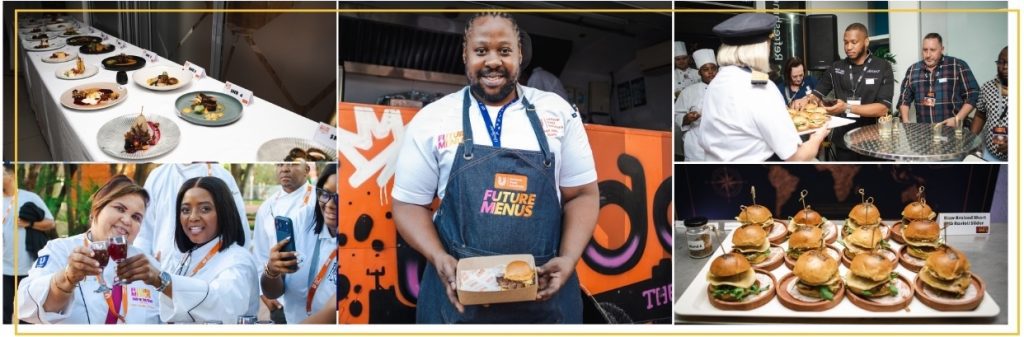
A strong example of this shift was the recent Unilever Food Solutions Future Menus 2026 launch experience
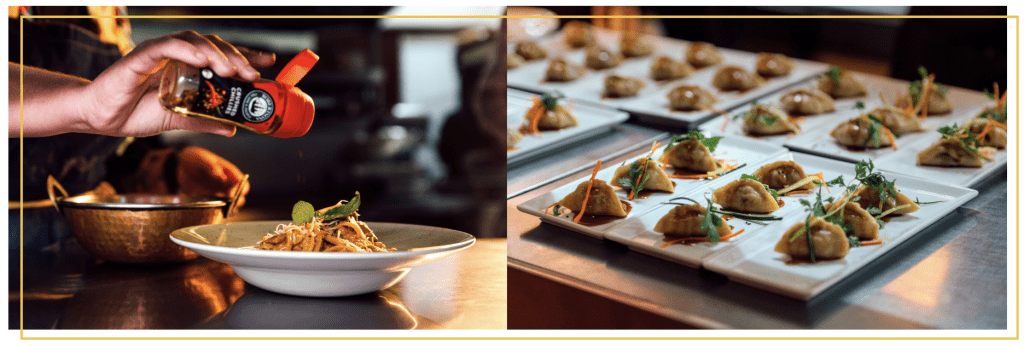
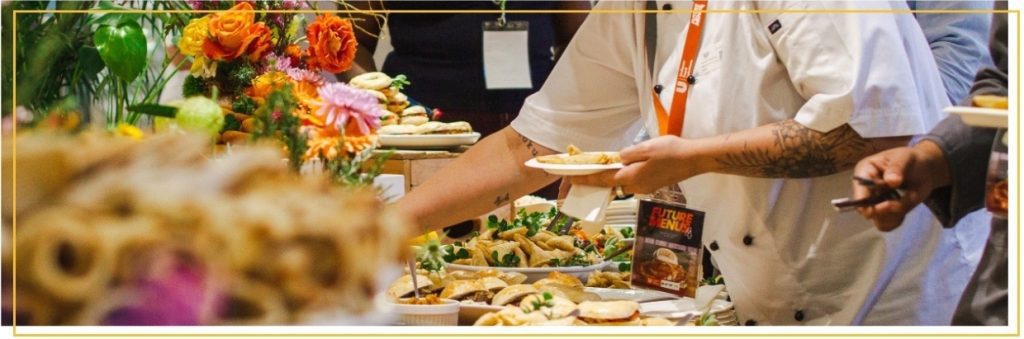
Rather than simply presenting insights in a report or conference format, the experience invites guests to engage physically with the future of food through chef interactions, curated tastings, and immersive food moments.
The event explored everything from global flavour fusion and elevated street food to interactive dining experiences and evolving hospitality trends – while also showcasing products and ingredients in a far more dynamic and memorable way.
Because today, audiences don’t just want information. They want experience.
Why Experiential Marketing Works for Food Brands
Food is naturally social, sensory, and highly shareable – making it one of the most powerful experiential marketing platforms.
But increasingly, food industry experiences are about far more than product promotion. They’re becoming platforms for:
- Brand storytelling
- Product education
- Hospitality innovation
- Community and culture
- Lifestyle positioning
Experiential marketing allows food brands to move beyond products and into culture, lifestyle, and real-world connections.
And that’s where stronger brand engagement happens.
The Rise of Experience-Led Food Marketing
At Matriarch, we’ve seen firsthand how experiential formats can transform food marketing into a more immersive, premium, and culturally relevant experience.
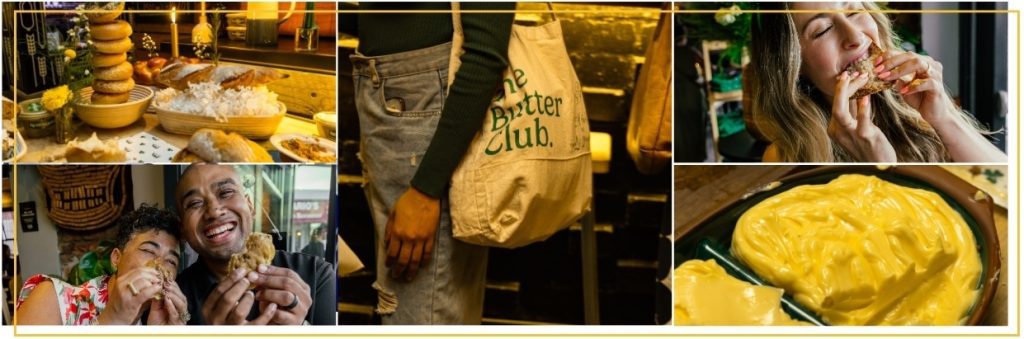
For Kerrygold’s Crisp Sandwich Tour in Cape Town, the campaign moved beyond traditional sampling by creating curated food experiences in collaboration with popular local venues – turning the product into part of a lifestyle-driven, highly shareable moment.
Similarly, the annual Kerrygold Butter Club experience uses premium dining environments, influencer engagement, and elevated food styling to create a more immersive and conversation-led brand experience.
These campaigns reflect a much bigger shift happening across the industry:
Food brands are no longer simply marketing products. They’re creating experiences around them.
The Future of Food Marketing
As the hospitality and food industry evolves, experiential marketing is becoming an increasingly important tool for connection, storytelling, and product engagement.
Audiences want experiences that feel immersive, authentic, and memorable. They want to interact with brands in ways that feel real – not overly promotional.
And for food brands, that creates a huge opportunity.
Because the future of food marketing isn’t just about telling people about a product. It’s about bringing it to life.